365博彩官网

Quangong Machinery Co., Ltd.
News

Reduce Labor Costs with Automatic Block Machine

2026-10-16 0 Leave me a message

Labor costs are an important consideration for concrete block manufacturers worldwide. As demand for hollow blocks, solid blocks, and paving blocks continues to grow, manufacturers need to increase production efficiency while maintaining consistent product quality and controlling operating expenses.

Traditional block manufacturing often relies on manual labor for material handling, machine operation, pallet transfer, product stacking, and other repetitive tasks. As labor expenses rise and skilled workers become harder to recruit in some markets, automation is becoming an increasingly important investment for concrete block factories.

An automatic block machine can help manufacturers streamline production, reduce dependence on manual operations, and improve labor productivity. These advantages are particularly relevant to businesses operating in Southeast Asia, the Middle East, and Africa.

1. Reduce Repetitive Manual Operations

In a conventional concrete block factory, workers may be involved in material handling, pallet movement, product transfer, stacking, and other production activities.

These tasks require time and labor, and productivity can vary depending on operator experience, staffing levels, and working conditions.

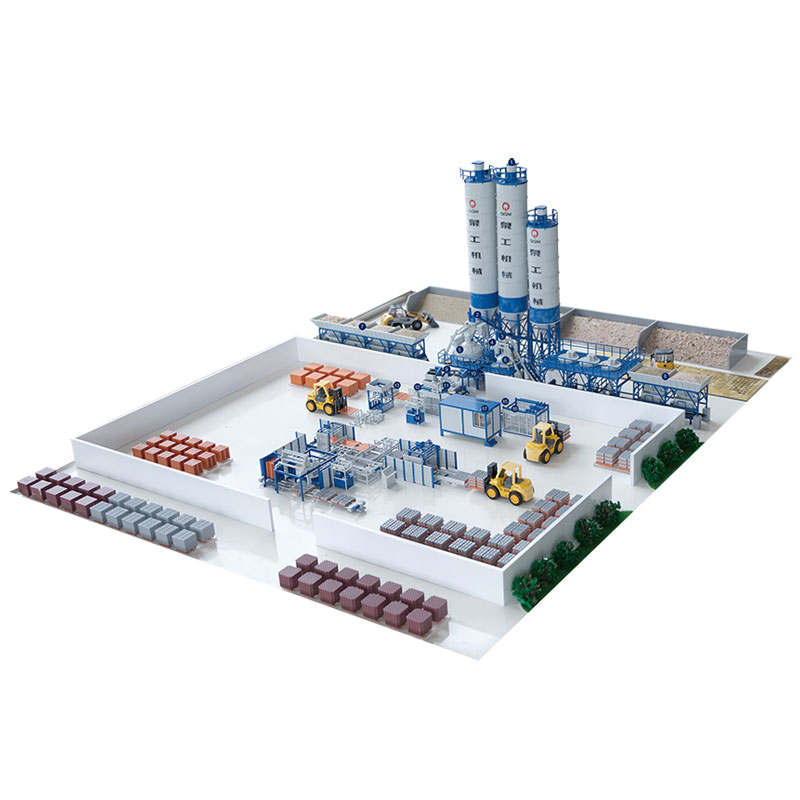
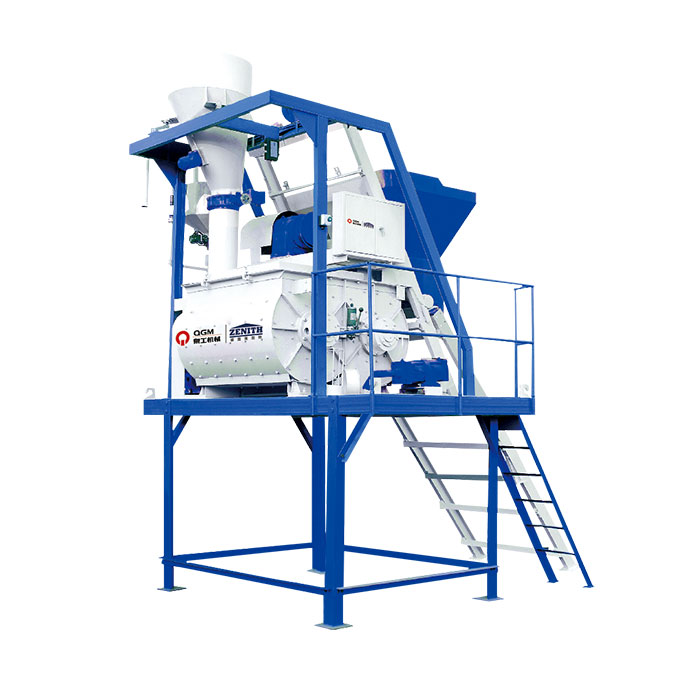
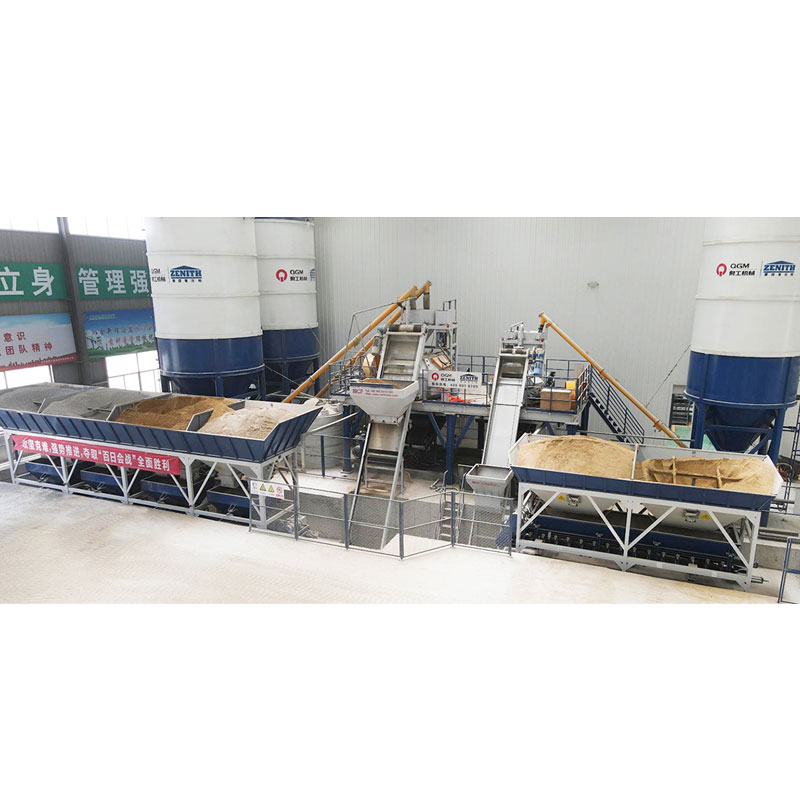
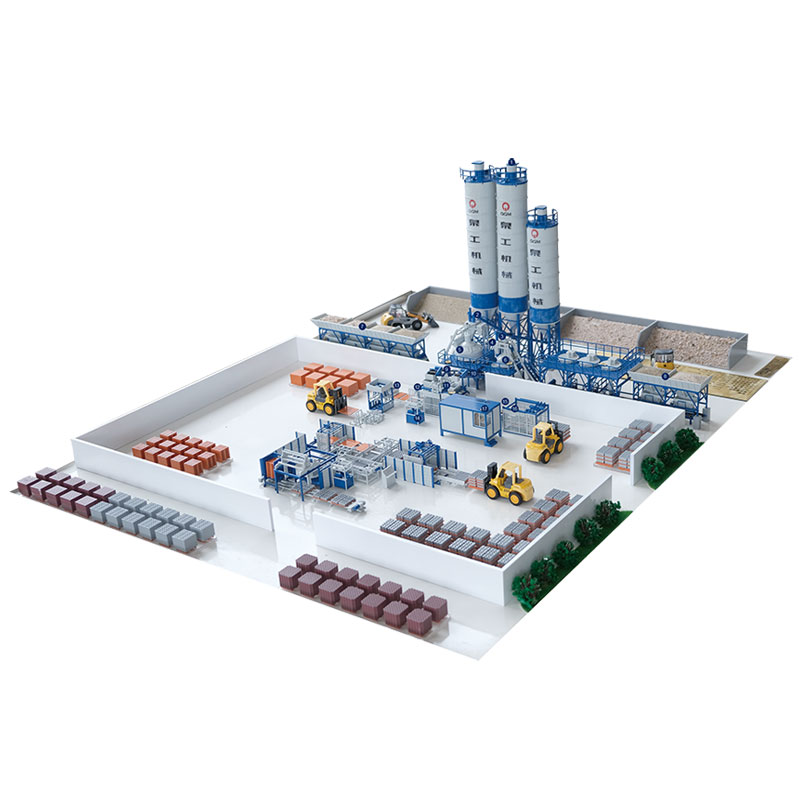
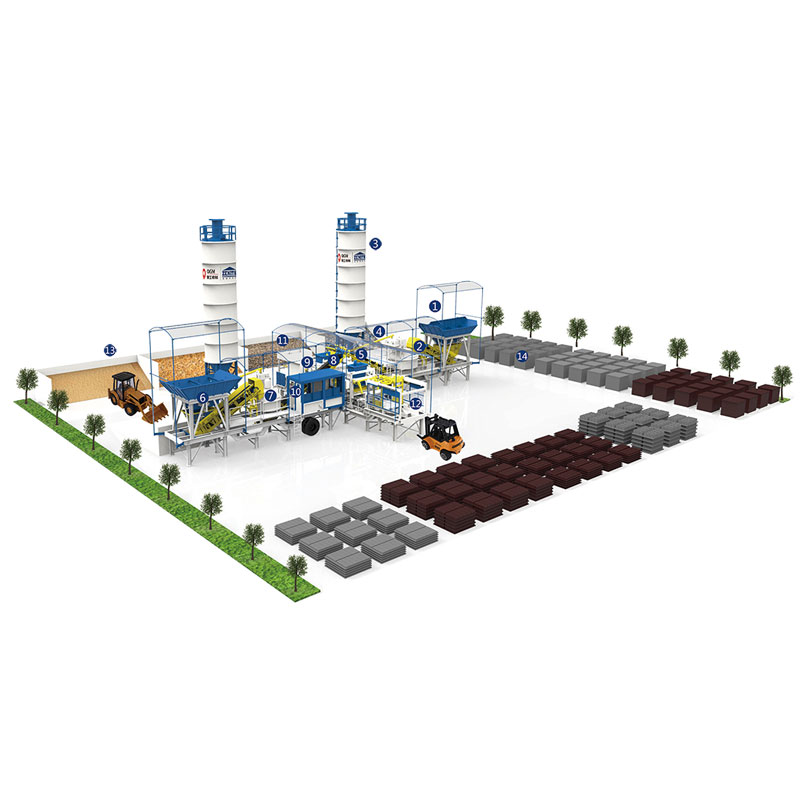
An automated concrete block production line can integrate batching, mixing, block forming, conveying, and stacking into a more coordinated manufacturing process.

By automating repetitive tasks, manufacturers can optimize workforce allocation and allow employees to focus more on equipment monitoring, quality inspection, maintenance, and production management.

This can improve overall labor utilization and make production operations more organized.

2. Increase Output and Lower Labor Cost per Block

Labor efficiency should be evaluated in relation to actual production output, rather than employee numbers alone.

For example, two factories may have similar labor expenses, but the factory producing more qualified blocks with the same workforce may achieve a lower labor cost per block.

An automatic block machine can help maintain a more consistent production cycle and reduce delays caused by manual handling or inefficient coordination between production stages.

When combined with appropriate material supply, pallet handling, and downstream equipment, automation can help manufacturers increase output without proportionally increasing their workforce.

For block manufacturers planning to expand capacity, improving production efficiency can be a more sustainable approach than relying solely on additional workers.

3. Improve Product Consistency and Reduce Rework

Manual operations can introduce variations in material feeding, handling, and production timing. These variations may affect block dimensions, surface appearance, and compaction quality.

Automated concrete block manufacturing equipment can provide more consistent control over material feeding, vibration, and compaction.

A stable manufacturing process can help reduce defects associated with inconsistent operations, lowering the labor and material costs involved in rework and waste handling.

However, product quality also depends on mix design, mold condition, curing practices, equipment maintenance, and operating parameters. Automation works best when supported by effective quality control and standardized production procedures.

4. Why Automatic Block Machines Matter in Southeast Asia

Construction and infrastructure development across Southeast Asia create opportunities for manufacturers of hollow blocks, solid concrete blocks, and paving blocks.

As local demand grows, block factories may need to increase output while maintaining competitive production costs.

Factories that depend heavily on manual operations can face additional expenses when expanding production, including recruitment, training, supervision, and payroll.

An automated block production line can help manufacturers streamline workflows, reduce repetitive manual tasks, and prepare for future capacity expansion.

When selecting equipment, investors should consider local labor costs, target production volume, product specifications, factory space, and the availability of technical support.

The goal is to select an automation solution that matches the factory's operating requirements and long-term business plans.

5. Improve Manufacturing Efficiency in the Middle East

Construction, commercial development, and infrastructure projects across the Middle East create demand for concrete building materials and efficient manufacturing systems.

Block manufacturers must often balance production schedules, product quality, delivery requirements, and operating costs.

When material transfer and stacking depend heavily on manual work, production efficiency can be limited by staffing levels and on-site coordination.

An automatic block machine, supported by suitable conveying and handling systems, can improve coordination between production stages and reduce the workload associated with repetitive operations.

For manufacturers planning to expand production or modernize an existing factory, automation can support more predictable and efficient operations.

Equipment selection should take into account production capacity, labor availability, electricity supply, maintenance requirements, and local service support.

6. Support Block Factory Development in Africa

In many African markets, housing construction, road development, and infrastructure investment create opportunities for concrete block manufacturers.

For investors establishing a new factory or expanding an existing operation, equipment selection should consider both initial investment and long-term operating expenses.

Labor requirements, production efficiency, maintenance costs, equipment reliability, and future expansion potential all influence the economics of a block manufacturing plant.

An automated concrete block production line can reduce dependence on repetitive manual tasks and help manufacturers organize production more efficiently.

Since labor costs, electricity availability, technical skills, and after-sales support differ between countries, the most suitable equipment configuration should be determined according to local operating conditions.

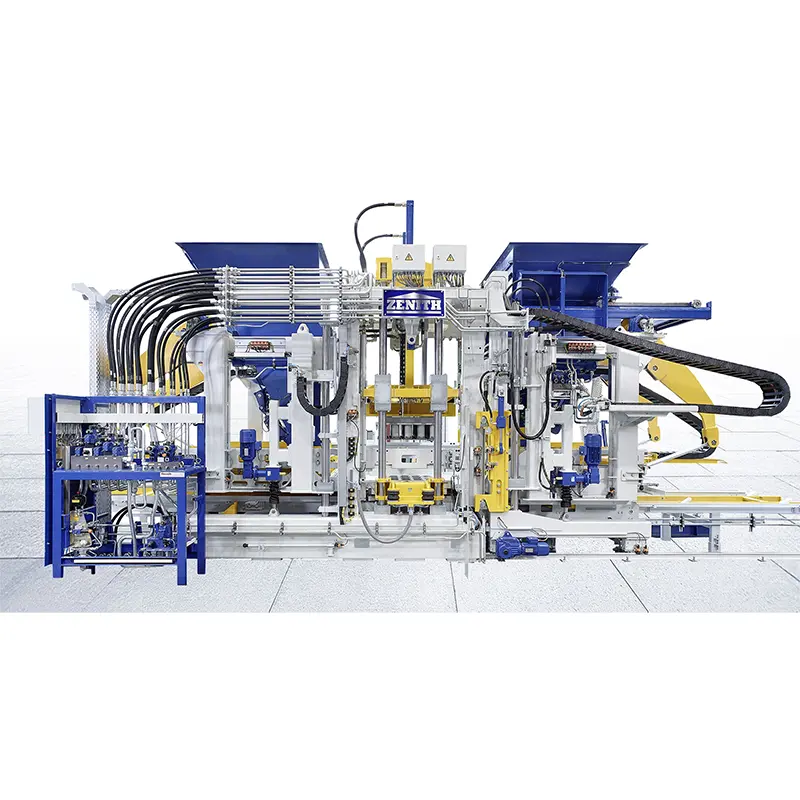
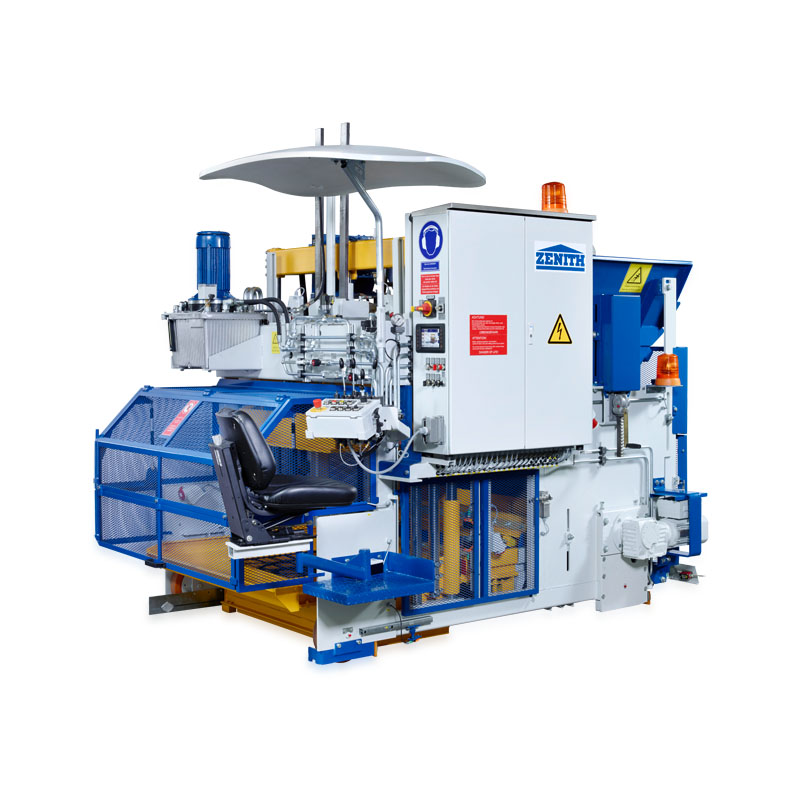
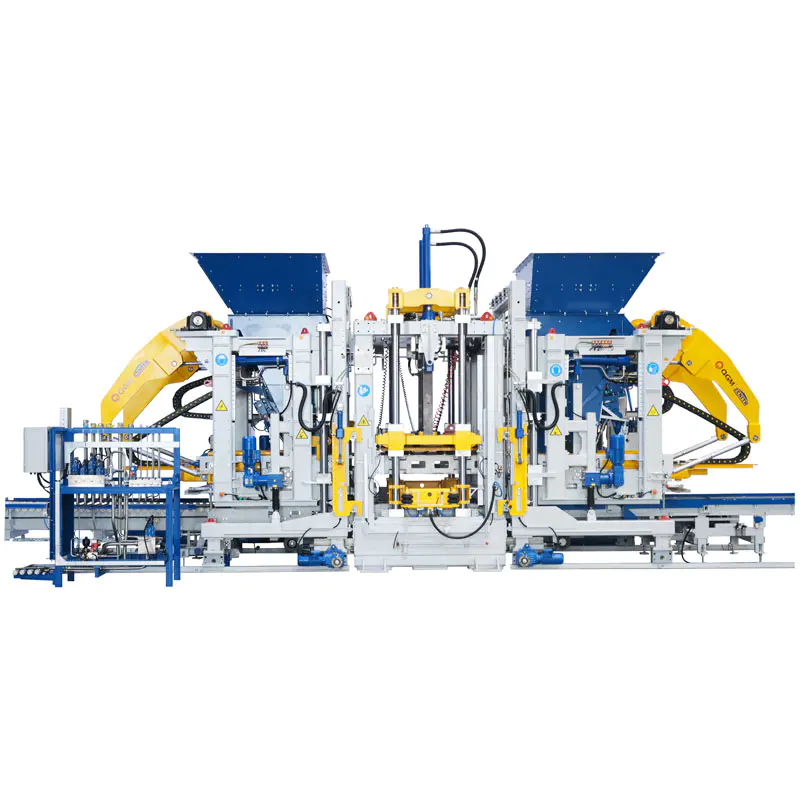
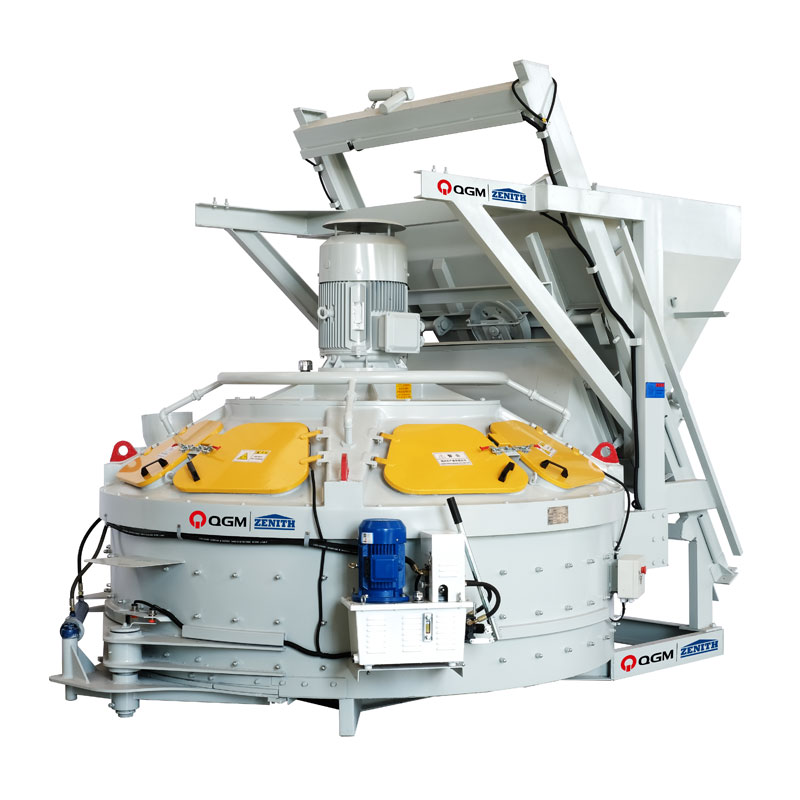
7. QGM Recommended Equipment: ZM1000-2

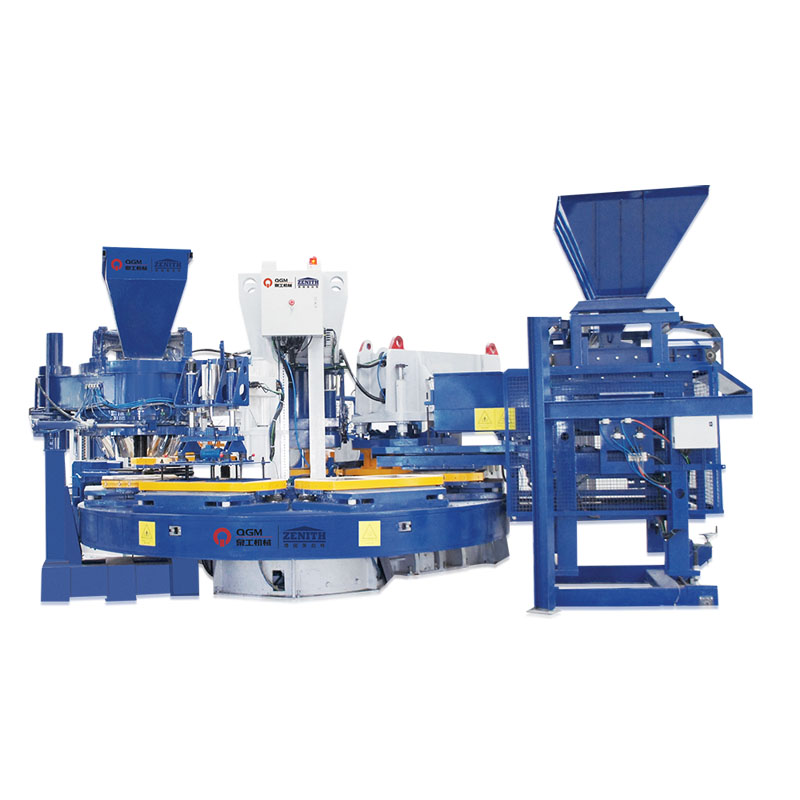
For concrete products manufacturers seeking to improve labor productivity and production efficiency, QGM offers automated block manufacturing equipment and production solutions.

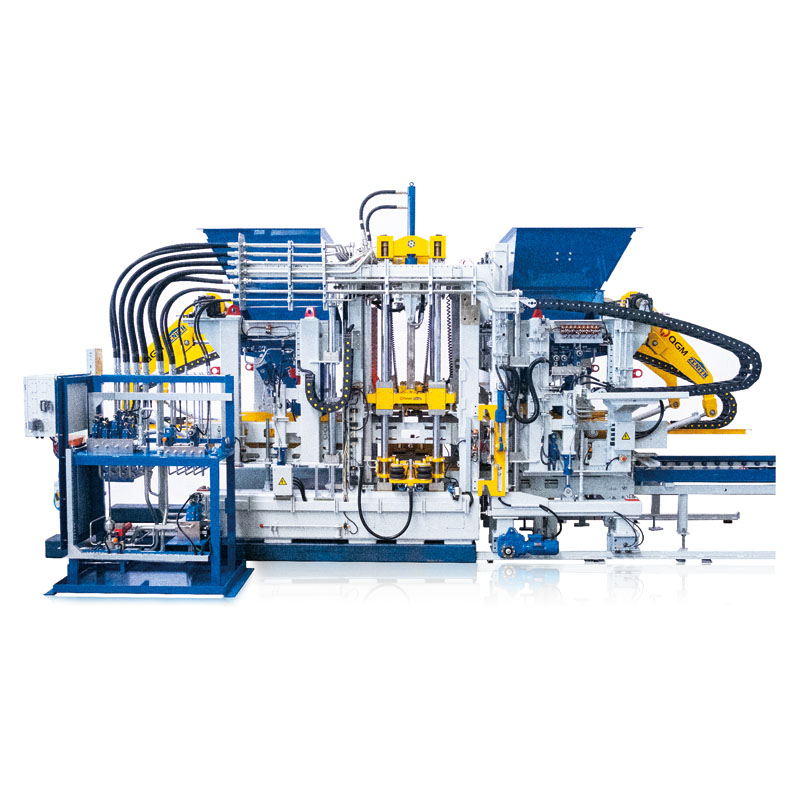
The ZM1000-2 is a recommended equipment option to consider when planning a concrete block production project that requires automation. The overall production configuration should be determined according to the target output, block specifications, mold requirements, factory layout, and level of automation.

When evaluating the ZM1000-2 for a specific project, manufacturers should consider:

Target daily production capacity and cycle time

Required operators and workforce allocation

Automated conveying and stacking arrangements

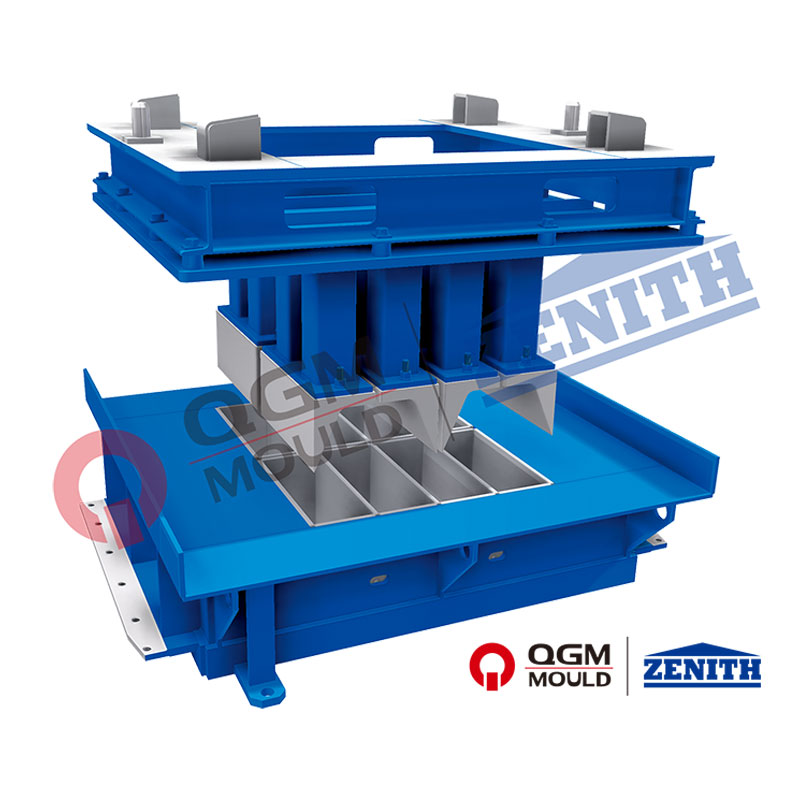
Compatibility with required block types and molds

Maintenance requirements and spare parts availability

Local installation, operator training, and after-sales support

For customers in Southeast Asia, the Middle East, and Africa, a suitable solution should balance production efficiency, labor requirements, investment budget, and long-term operating needs.

The right equipment configuration depends on the specific project rather than automation level alone.

8. How to Calculate Labor Cost Savings

Before investing in an automatic block machine, manufacturers should establish a baseline using existing production data and compare it with the expected performance of the proposed production line.

Important indicators include the number of workers per shift, daily output of qualified blocks, total labor expenses, equipment utilization, and product rejection rate.

Labor cost per block can be calculated as follows:

Labor Cost per Block = Total Labor Expenses During the Period ÷ Total Number of Qualified Blocks Produced During the Same Period

For a meaningful comparison, manufacturers should use consistent reporting periods, product specifications, and output measurements.

The overall investment evaluation should also account for equipment purchase costs, installation, maintenance, energy consumption, and other operating expenses.

This approach helps manufacturers assess whether automation can deliver practical labor savings and an acceptable return on investment.

Conclusion

An automatic block machine can help reduce labor costs by minimizing repetitive manual operations, improving workflow coordination, increasing equipment utilization, and supporting more consistent production.

For concrete block manufacturers in Southeast Asia, the Middle East, and Africa, automation can provide a practical way to improve labor productivity while preparing for future market demand.

QGM provides concrete block manufacturing equipment and production solutions for different production requirements. By selecting suitable equipment, optimizing workforce allocation, and implementing standardized production management, manufacturers can improve cost control and strengthen their long-term competitiveness.

When evaluating the ZM1000-2, manufacturers should consider the complete production line, actual staffing requirements, target output, and local operating conditions to determine the most appropriate solution for their factory.

Related News
Leave me a message
X
We use cookies to offer you a better browsing experience, analyze site traffic and personalize content. By using this site, you agree to our use of cookies. Privacy Policy
RejectAccept