Hollow concrete blocks are widely used in residential construction, commercial buildings, and infrastructure projects. As construction standards continue to evolve, manufacturers are under increasing pressure to deliver concrete blocks with consistent compressive strength, accurate dimensions, a good surface finish, and reliable production efficiency.
So, how can manufacturers improve hollow block quality?
The answer lies in optimizing the entire manufacturing process, from raw material selection and concrete mixing to block forming, curing, mold maintenance, and quality inspection. Choosing reliable concrete block manufacturing equipment is also essential for maintaining consistent product quality and reducing production waste.
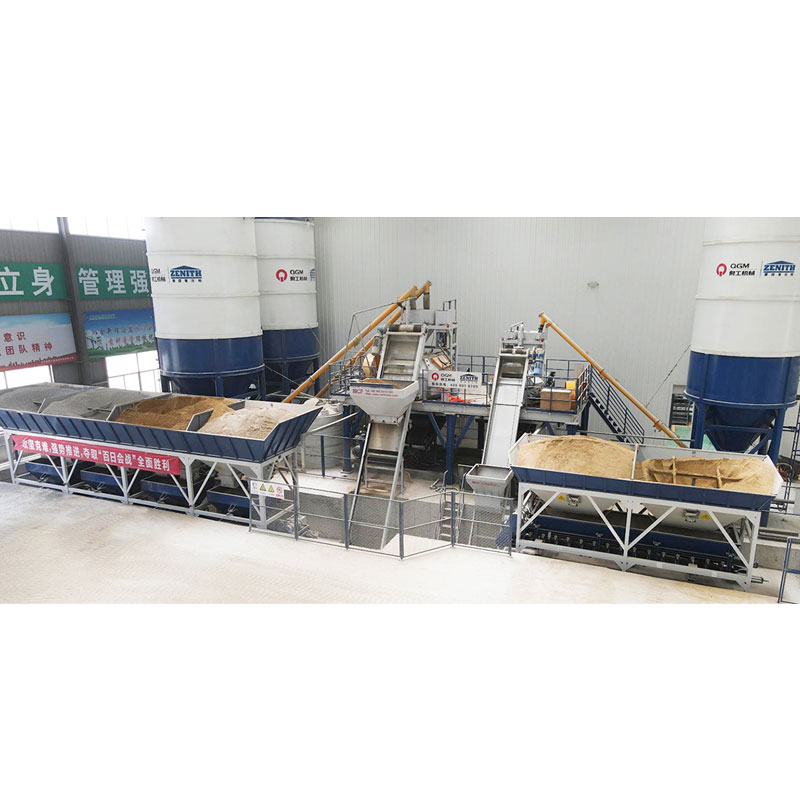
1. Optimize Raw Material Selection and Mix Design
Raw materials have a direct impact on hollow block quality. Cement, sand, stone powder, and other aggregates influence the compressive strength, surface finish, and dimensional stability of the finished blocks.
Manufacturers should develop an appropriate concrete mix design based on the required block strength, product dimensions, and characteristics of locally available materials.
Aggregate grading and moisture content should also be carefully controlled. Variations in moisture content can affect the consistency of the concrete mixture and lead to differences in block density and forming performance.
Regular raw material inspections and appropriate mix adjustments help establish a reliable foundation for high-quality hollow block production.
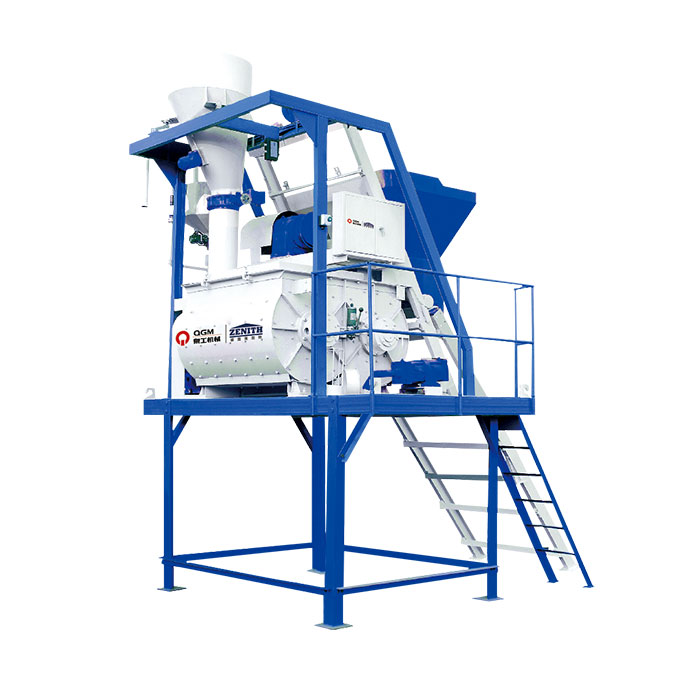
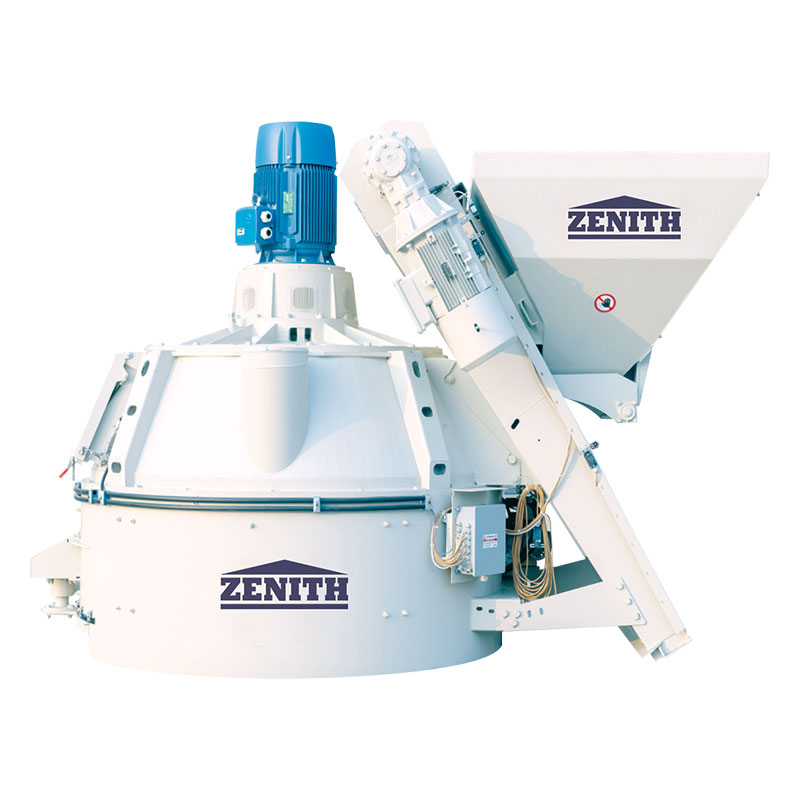
2. Improve Concrete Mixing Uniformity
Consistent concrete mixing is essential for producing hollow blocks with uniform strength and appearance.
If cement, aggregates, and water are not distributed evenly, the finished blocks may develop weak areas, surface defects, or inconsistent dimensions.
To improve mixing quality, manufacturers should control the material feeding sequence, mixing time, and water content. The mixture must be sufficiently uniform to support the subsequent feeding and vibration processes.
For dry-cast concrete block production, moisture content is particularly important. The mixture needs to maintain suitable characteristics for efficient mold filling and compaction.
A stable mixing process helps reduce variations between production batches and improves the consistency of the finished concrete blocks.
3. Optimize Vibration and Compaction
The block forming process is one of the most important factors affecting hollow block quality.
Vibration frequency, vibration duration, compaction pressure, material distribution, and mold condition all influence block density, dimensional accuracy, and surface quality.
Poor material distribution or unsuitable forming parameters can result in chipped edges, incomplete corners, inconsistent block heights, or insufficient compaction.
Manufacturers should adjust forming parameters according to block dimensions, mix characteristics, and mold design. Regular production inspections can help identify the most suitable operating conditions.
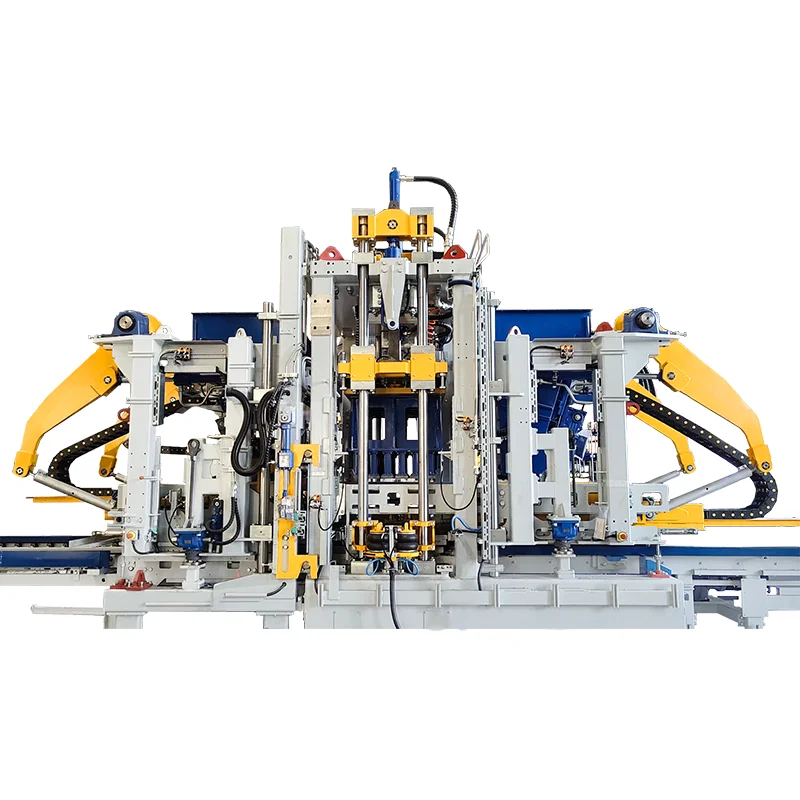
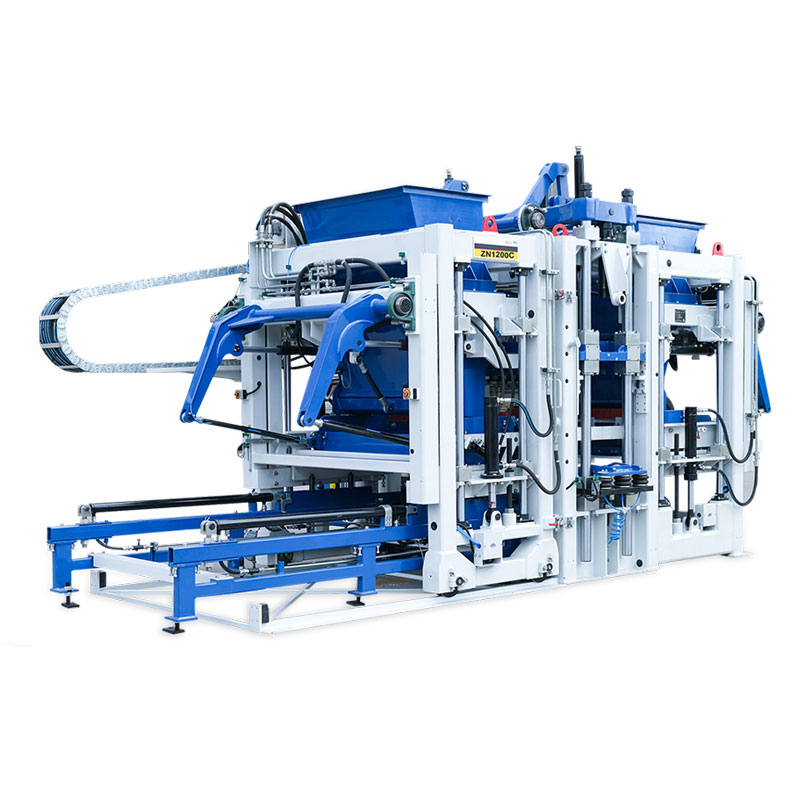
A reliable concrete block machine with precise forming control can help improve dimensional consistency, reduce variations caused by manual operations, and maintain stable production quality.
4. Improve Curing Conditions for Consistent Strength
After forming, hollow concrete blocks require appropriate curing to allow the cement to hydrate and develop the required strength.
Unsuitable curing conditions can lead to insufficient strength development, surface cracking, and inconsistent product quality.
Manufacturers should establish a curing process based on cement characteristics, ambient temperature, humidity, production requirements, and the intended use of the blocks.
Premature handling and stacking should also be avoided to minimize damage before the blocks develop sufficient strength.
Effective curing management improves product reliability and helps maintain consistent quality throughout the concrete block manufacturing process.
5. Maintain Molds and Implement Quality Inspection
Mold condition is another important factor in hollow block manufacturing.
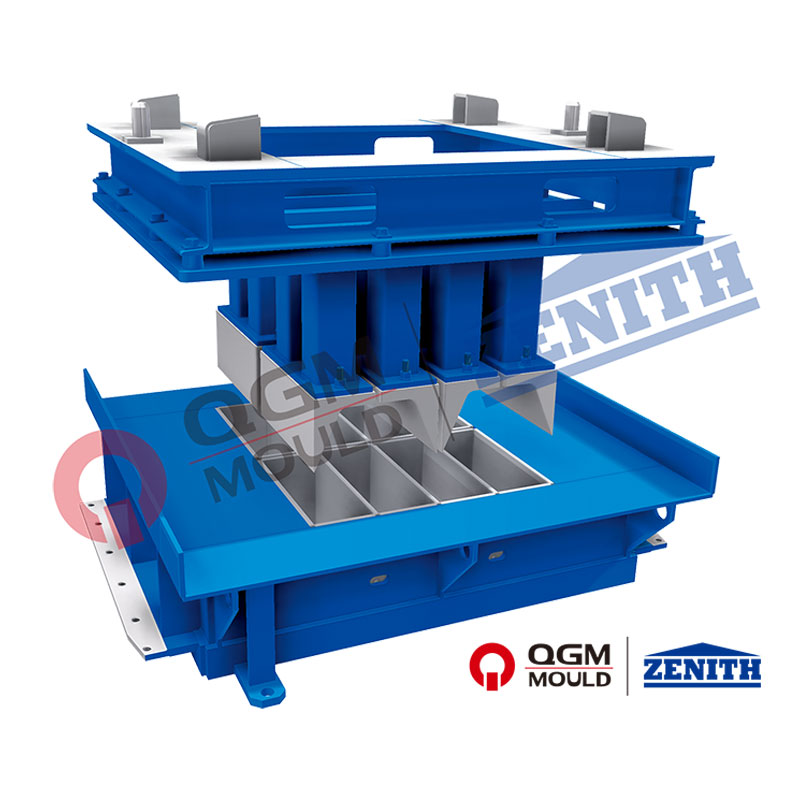
Worn, damaged, or contaminated molds can affect block dimensions, edge quality, and demolding performance. Without regular maintenance, manufacturers may experience dimensional deviations, chipped corners, or surface defects.
Molds should be inspected periodically, with particular attention to wear, critical dimensions, and material buildup.
In addition, a systematic quality inspection process should be implemented to evaluate block dimensions, appearance, compressive strength, and other applicable requirements.
Combining in-process monitoring with finished-product inspection allows manufacturers to identify quality issues early and continuously improve production performance.
6. Use Automated Concrete Block Production Equipment
Raw materials and manufacturing processes are important, but equipment selection also plays a major role in improving hollow block quality.
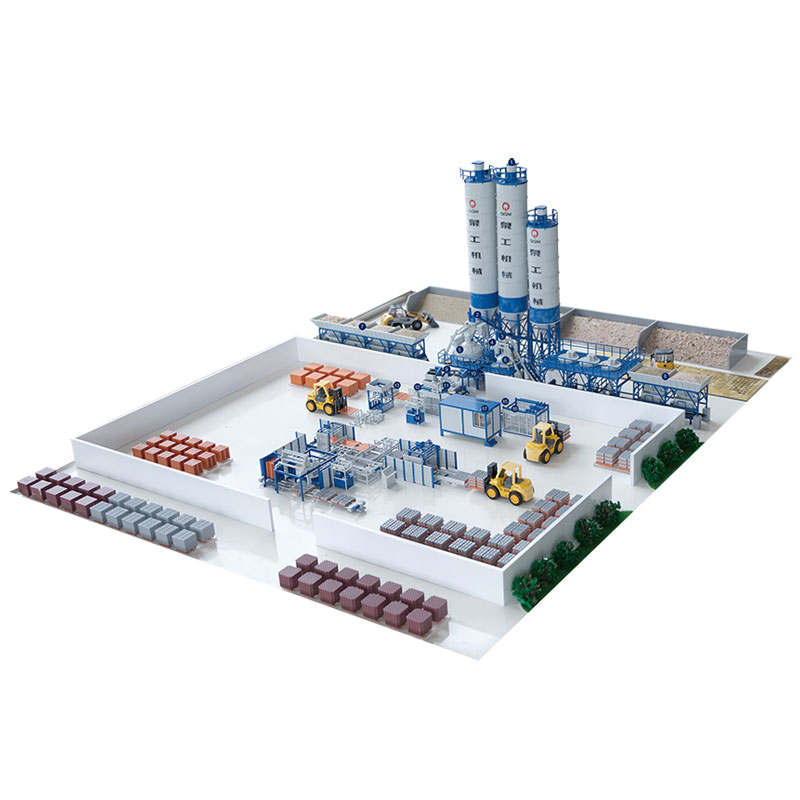
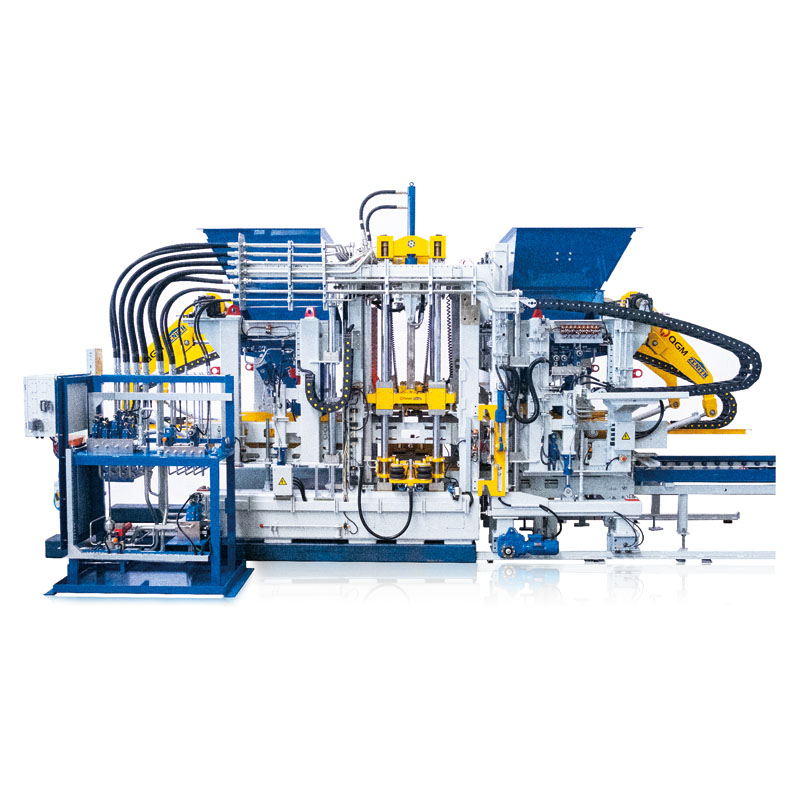
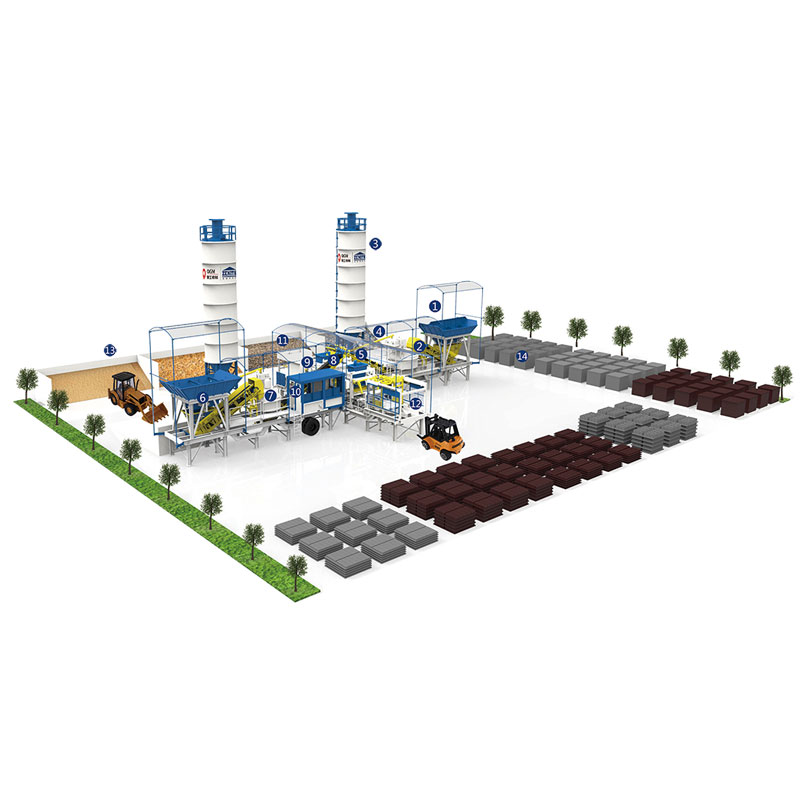
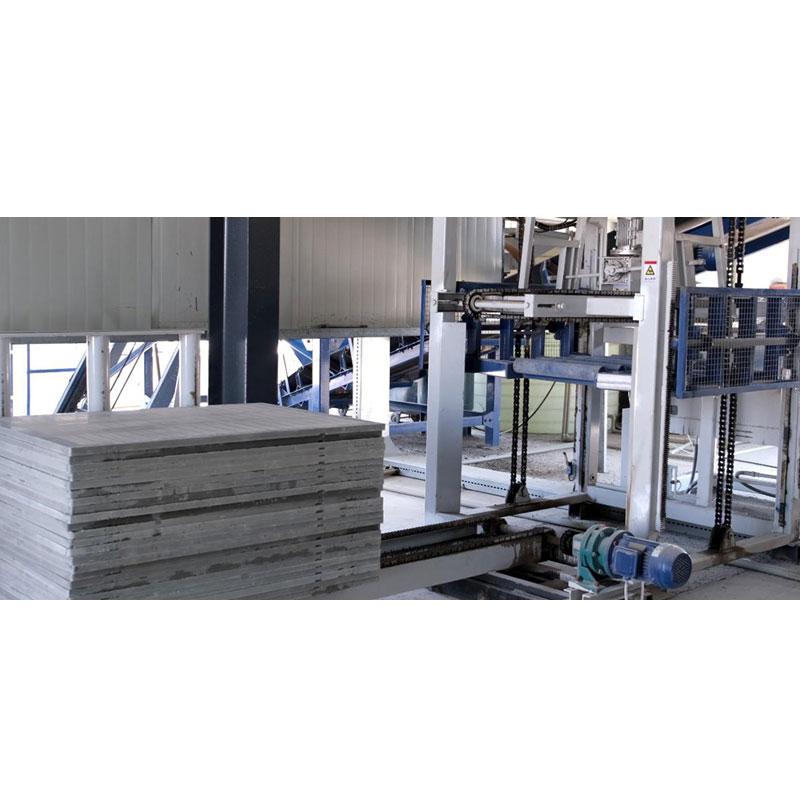
An automated concrete block production line can help maintain consistent material feeding, vibration, and compaction. By reducing variations caused by manual intervention, automation supports more stable production and repeatable product quality.
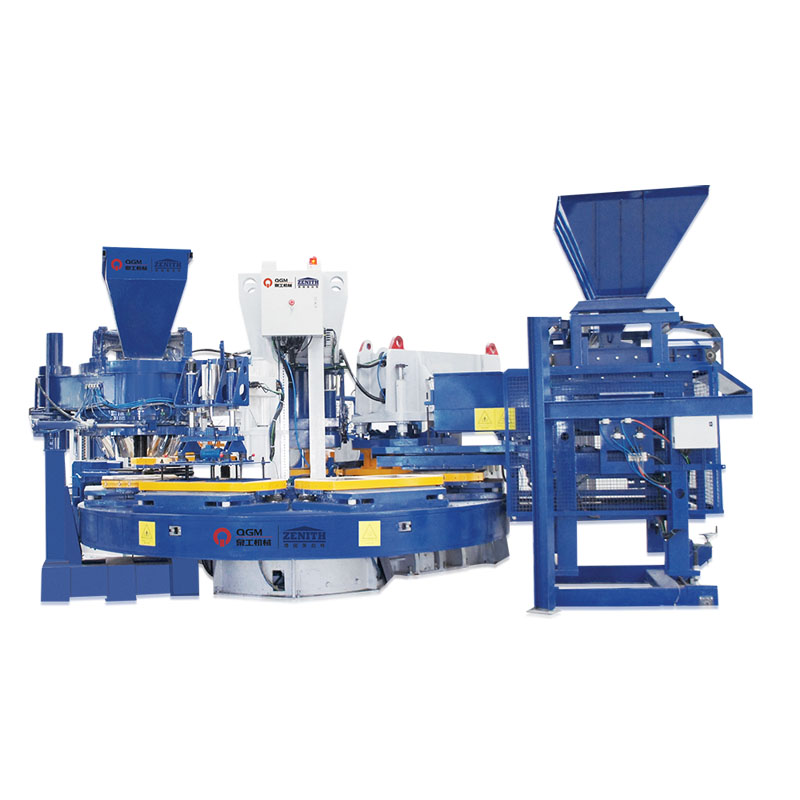
QGM's concrete block manufacturing solutions are designed to meet the needs of modern concrete products manufacturers seeking improved efficiency and automation.
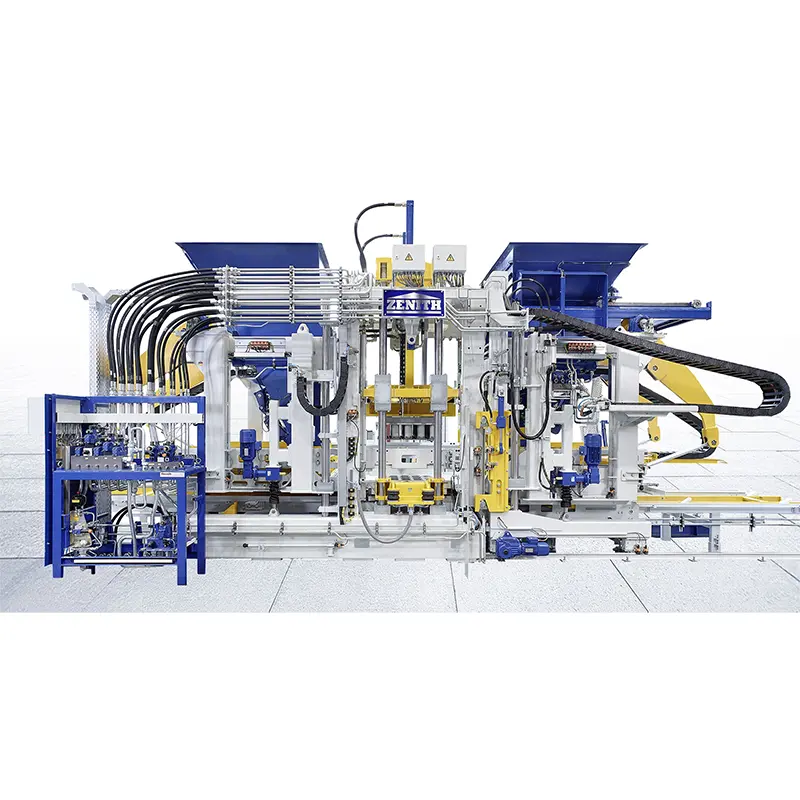
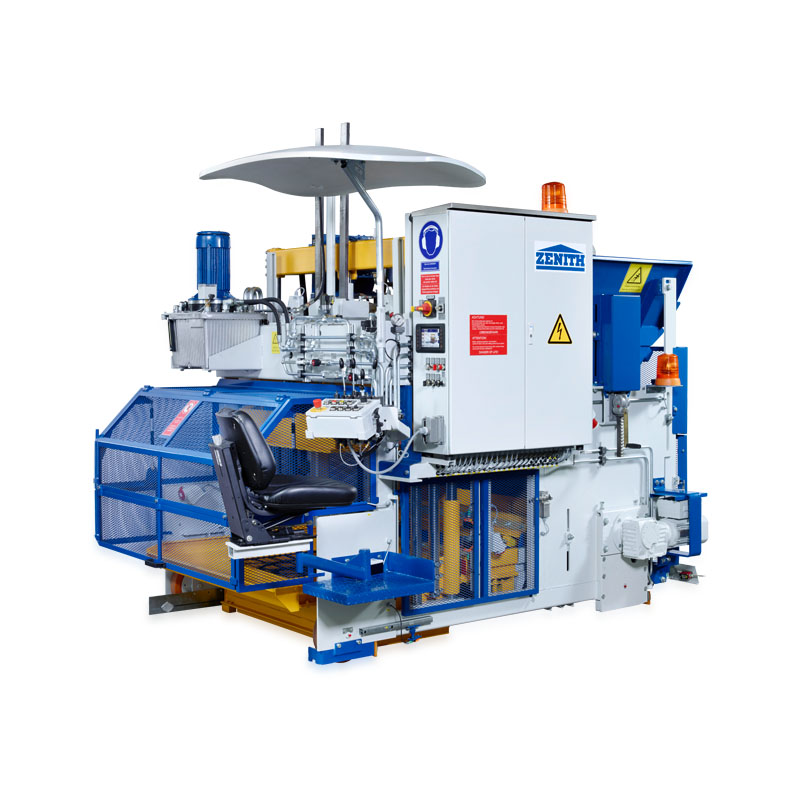
The ZN1000-2 concrete block machine is an automated equipment solution for concrete block production, including hollow concrete blocks. When integrated with an appropriate production layout, suitable molds, optimized mix design, and controlled curing conditions, it can support a more consistent and efficient manufacturing process.
However, equipment alone cannot guarantee finished-product quality. Raw material consistency, mold condition, forming parameters, curing practices, and equipment maintenance must all work together to achieve the desired results.
7. Standardize the Production Process
Improving hollow block quality requires a systematic approach rather than focusing on a single manufacturing stage.
A standardized production process should cover raw material inspection, batching, mixing, material feeding, block forming, demolding, conveying, curing, and final quality inspection.
Manufacturers should record relevant production data, investigate recurring defects, and adjust process parameters based on inspection results.
By continuously monitoring performance and improving operating procedures, concrete block manufacturers can reduce production variability, increase the proportion of conforming products, and strengthen their competitiveness.
Conclusion
Improving hollow block quality depends on several interconnected factors, including raw material selection, mixing uniformity, vibration and compaction, curing conditions, mold maintenance, and equipment performance.
For manufacturers seeking consistent product quality and higher production efficiency, investing in an automated concrete block production line and establishing standardized quality control procedures can be an effective long-term strategy.
QGM offers concrete block manufacturing equipment and production solutions, including the ZN1000-2, for manufacturers looking to improve their hollow block production processes.
By combining suitable equipment with optimized manufacturing parameters and effective quality management, manufacturers can improve product consistency, reduce waste, and build a more efficient concrete block production operation.
We use cookies to offer you a better browsing experience, analyze site traffic and personalize content. By using this site, you agree to our use of cookies. Privacy Policy